Strengthening Communities, From the Ground Up
True transformation happens when communities lead. PACSII’s services are designed to do just that—empowering urban poor families with the skills, resources, and networks they need to design, build, and sustain their own homes. Explore how we partner with HPFPI to turn grassroots vision into lasting, community-led change.
COMMUNITY MAPPING
AND ENVIRONMENTAL SCANNING
Considering that the homeless people are the key players in building their lives and addressing their concerns, they are already part of the whole process in the projects they themselves have initiated. The organizations networked in the Philippine Alliance provide them the technical training and skills for this. Guided by professionals, community members learn to document their own neighborhoods, assess environmental risks, and identify resources—turning local knowledge into actionable data that shapes safer, more resilient.

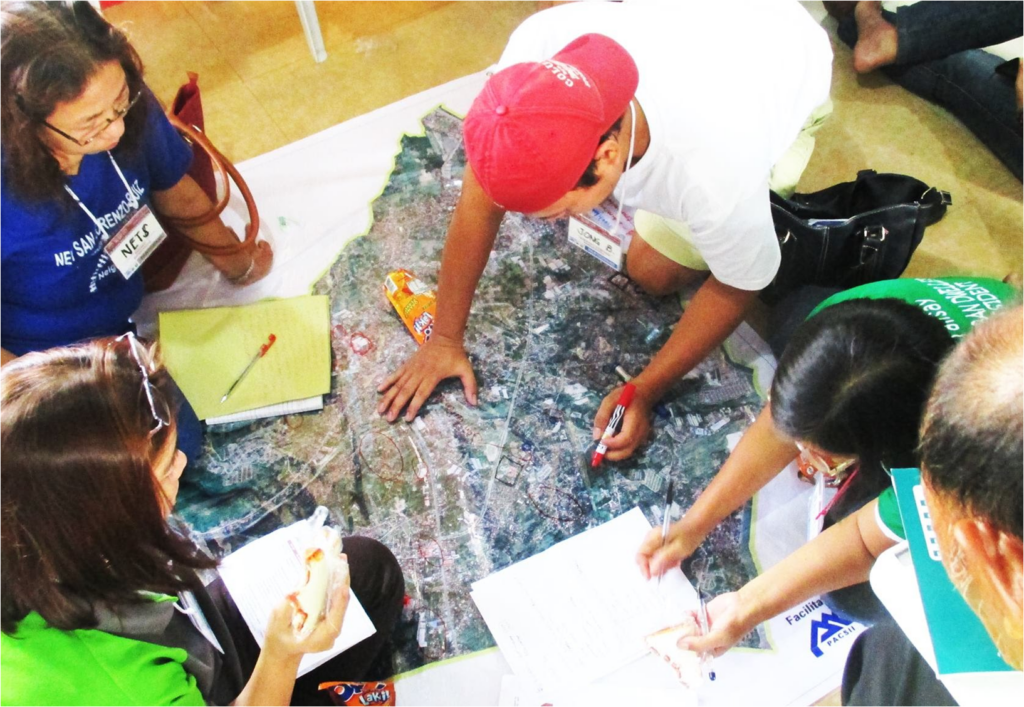
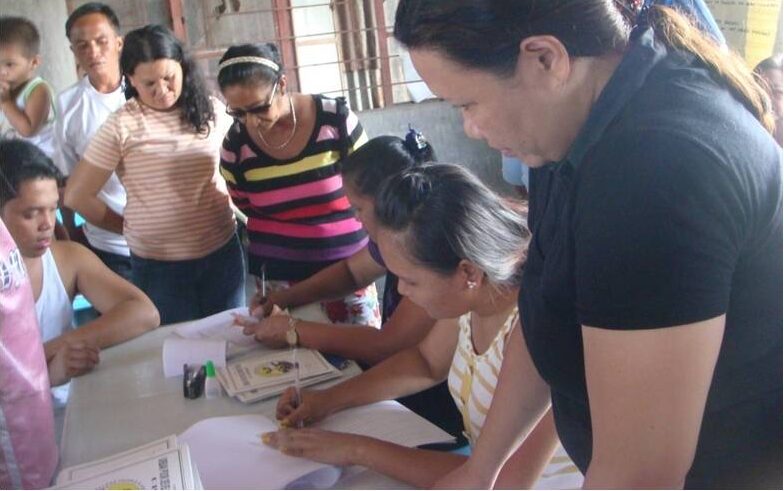
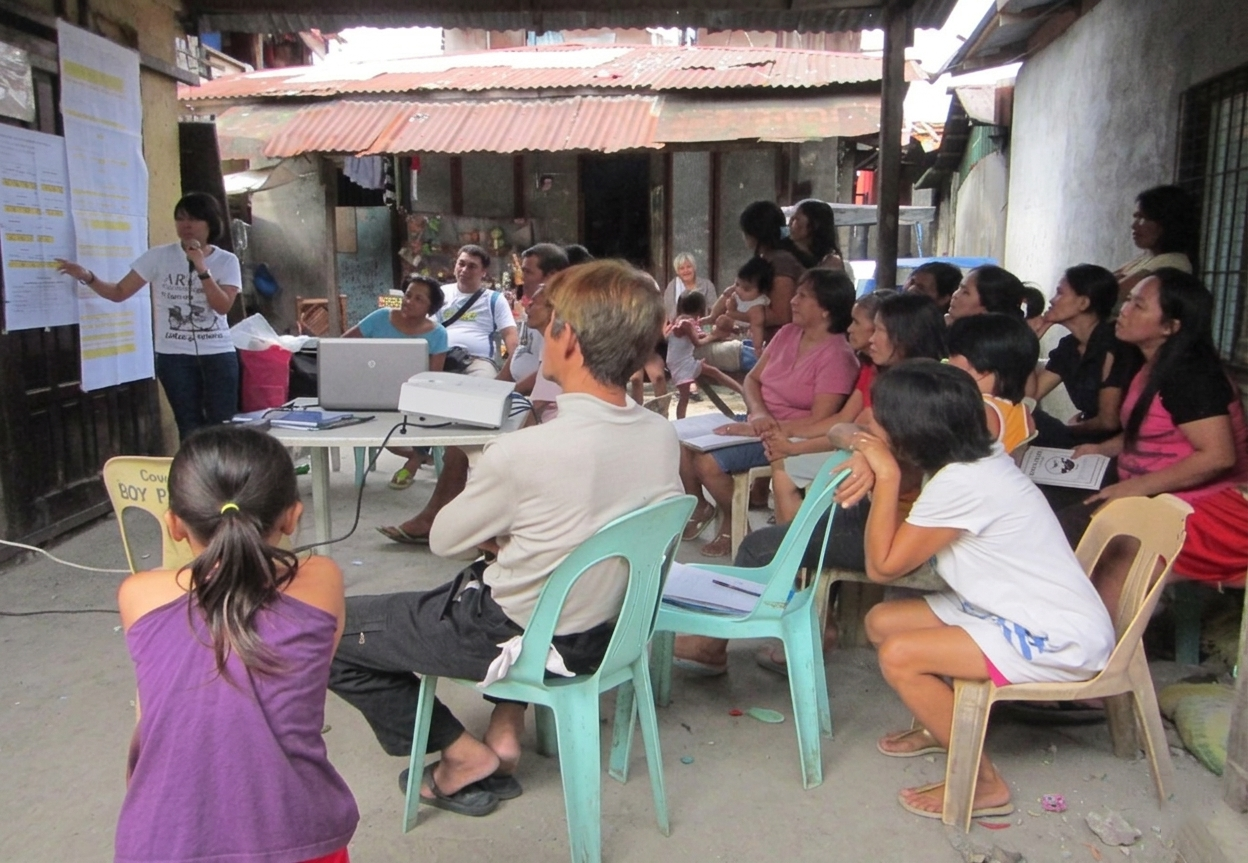
Community Mapping: Also referred to as Public Participatory Geographic Information System (PPGIS), community mapping is an essential component in community development. It is meant to help people understand better their locality in terms of its physical and social conditions. The HPFPI, mentored by its partner organizations in the Philippine Alliance, becomes the key actors in this community-led initiative in trying to identify the resources, key structures and buildings, topology, soil condition, and hazards as well as the dynamic social forces present in their community. This has been done in many different cities in the different parts of the country for the development of existing communities. Mapping is basically anchored in five basic strategies: (1) Building initial commitments among the stakeholders (courtesy calls, general assembly of HOAs, signing of memorandum of agreements, etc.); (2) Transfer of Knowledge to communities through training on basic concepts and processes; (3) Information Gathering using maps, survey forms for community profiling for statistical and demographic data, interviews and focus group discussions for historical and narrative data; (4) Validation and Information Management, using situational analysis matrix, quadrant system for prioritization in identifying needs and allocating resources; (5) Mobilization and Follow-up based on the gathered data in addressing community issues and problems, in lobbying for support from government and other institutions, for negotiations with other stakeholders. To ensure success in this effort and good impacts to the community, in 2015 the Philippine Alliance adopted the Social Tenure Domain Model which is pro-poor, gender-sensitive, participatory land information recording tool as its database for all its mapping activities for easy encoding and management of data (see Video presentation produced by the Philippine Alliance, 2017)
Environmental Scanning: For any organization to be successful, it is important that it regularly scans its environment, identifying the factors that contribute to its life, functioning, and development. Such scanning involves monitoring of both the internal as well as the external environments, of threats and opportunities, of challenges and risks and how they affect or impact to the organization. The information or data gathered becomes useful in decision-making especially in terms of coming up with strategic plans for the organization.
Disaster Risk Reduction and Management: One area where both community-mapping and environmental scanning become most useful is in the community’s disaster risk reduction and management. The reality of climate change and global warming has given rise to a lot of disasters to which many communities, especially of the poor, are subjected to. The task of managing and reducing such risks and disasters, therefore, becomes an important component in community development. The community should have a way to check and correct structures that are vulnerable to disasters. It is about protecting or relocating people from danger zones or hazardous areas. It also means ensuring the readiness of the communities to mitigate the impacts of disasters, like typhoons, earthquakes, tsunamis, or fire. Most recently, it includes the high level of risks brought about by epidemic or pandemic crisis like the COVID 19, for which nobody seemed to be ready and prepared to deal with.
CAPACITY BUILDING
OF URBAN POOR COMMUNITIES
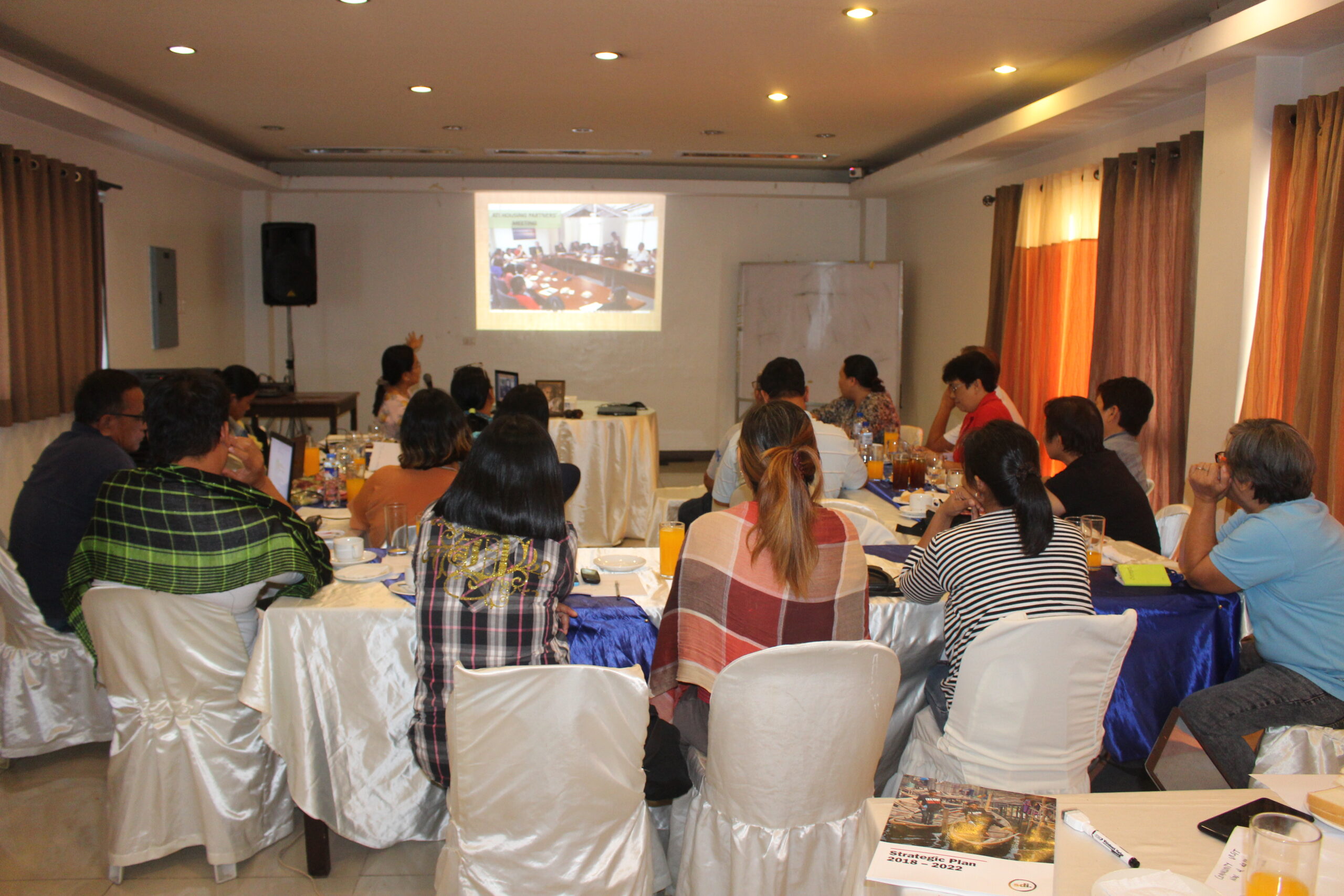
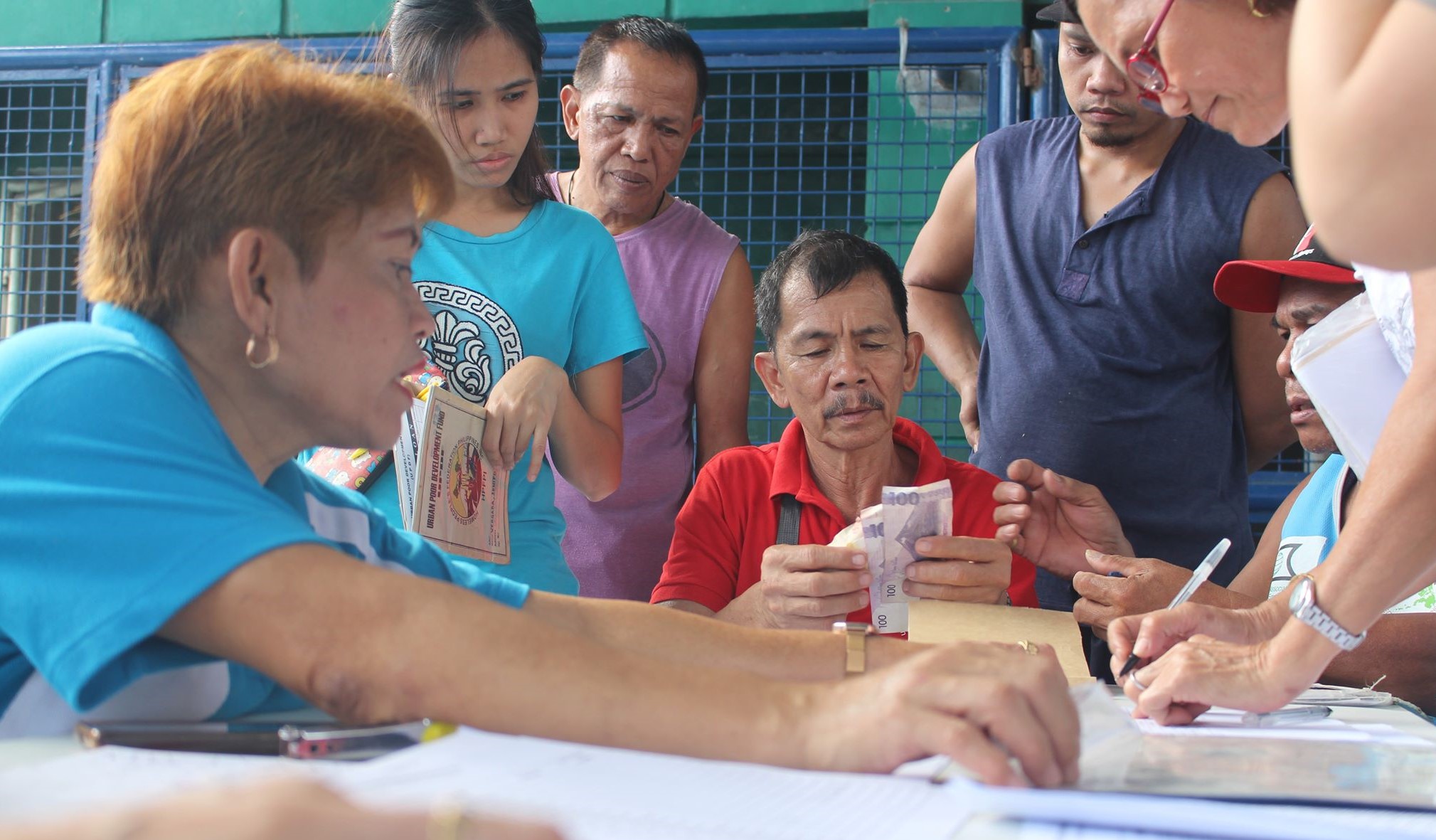
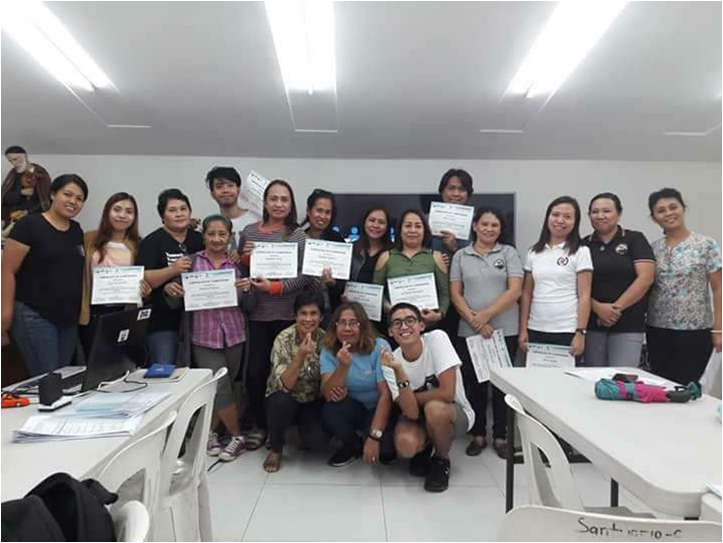
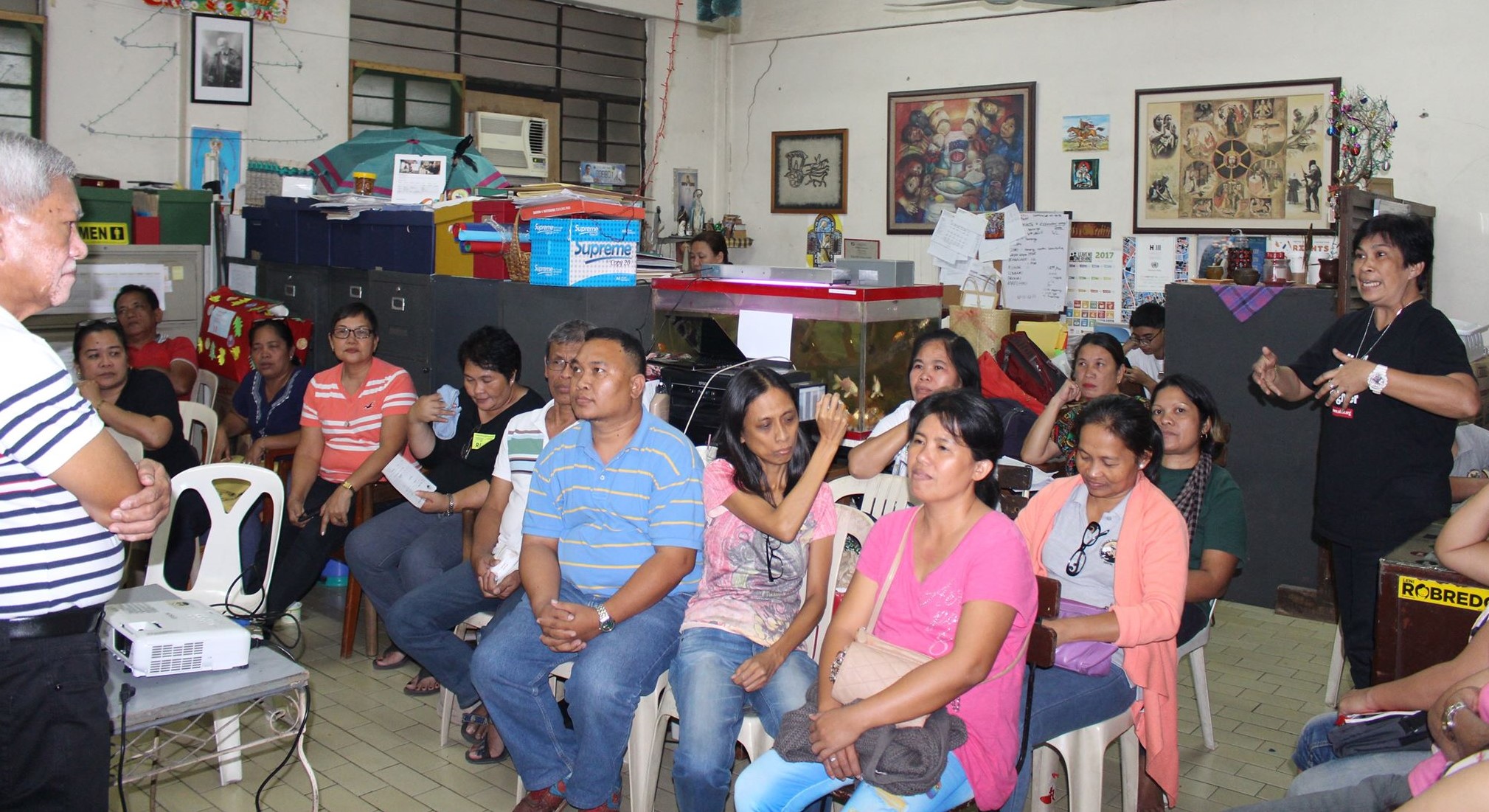
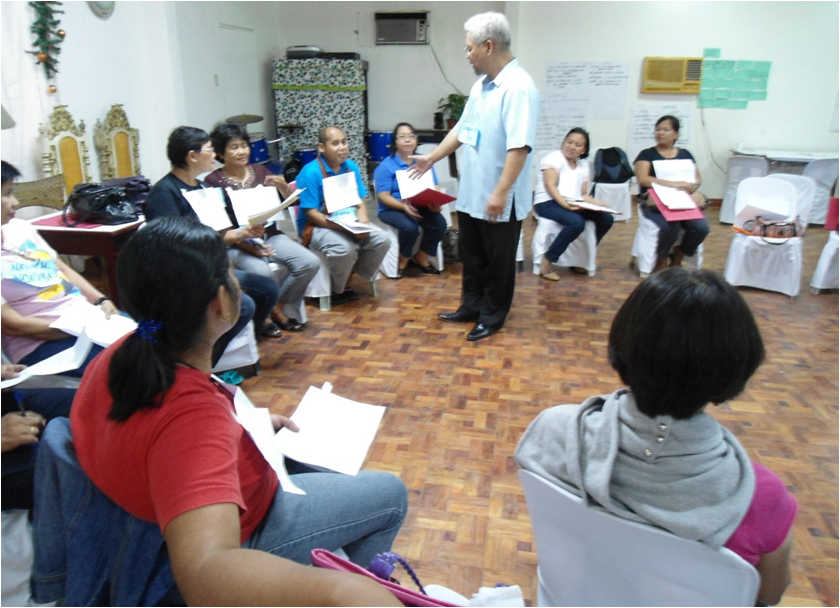
At the heart of working in community development is the task of building capacities of the people in making them the real subjects of their own transformation. Such task includes training of leaders to become good animators and servants of their communities especially in the area of financial management, para-legal education, organizational development and enterprise engagement. Through this holistic approach, communities gain not only practical skills but also the confidence and collective strength to navigate complex systems, advocate for their rights.
Leadership Training: One of PACSII’s goals is to ensure a good organization of the communities of the Homeless People’s Federation. This becomes possible by identifying and training leaders who could be deeply motivated, skilled and committed to the work of service in the community. Such training includes sessions on Organizational Development, program design, strategic planning, implementation, monitoring, and evaluation of programs and activities.
Financial Management: Leaders, especially in the area of finance, are given training on Financial Management. Certain principles of transparency, accountability, co-responsibility, sustainability and resourcefulness form part of the training along with practical skills related to bookkeeping, simple accounting, project proposal-writing, financial reporting, budget development, monitoring and evaluation of budget performance.
Para–Legal Education and Assistance: Empowerment of the homeless comes with a good knowledge and appreciation of their rights and duties which are stipulated in the law/s of the land. This is especially true in the area of land acquisition and tenure, housing projects, demolition and eviction. Just as they are given some basic knowledge on this, PACSII seeks out legal counsel for the homeless people in their general and specific concerns that merit legal considerations,
Organizational Development: PACSII facilitates the organization of the homeless people into becoming community associations or home-owners associations. Such organizational development includes technical support for the communities to build systems that could sustain the life, operations and functioning of the organization. The writing and updating of by-laws and constitution, designing of communication system, determining accountabilities through clear organizational structure and job description of those assigned or employed in particular tasks and responsibilities, are areas that are important aspects of organizational development.
Enterprise Engagement: Part of the responsibilities of PACSII to the homeless is to help facilitate that the communities are able to develop collectively in addressing their concerns. The economic component of the life of the communities is surely quite important, especially for the poorest of the poor. This includes creation of programs for livelihood and micro-financing that are coupled with savings mobilization.
RESEARCH, DOCUMENTATION AND ADVOCACY
To ensure the steady growth of the communities as well as its capacity to expand and extend its mission, it is important to do research, documentation and advocacy. These processes transform grassroots experiences into powerful evidence that can influence policies, challenge unjust systems, and amplify the voices of the urban poor. By systematically documenting community-led successes and struggles, PACSII equips the Homeless Peoples Federation Philippines Inc. (HPFPI) with the knowledge and credibility needed to engage policymakers, demand accountability, and advocate for housing rights at the local, national, and even international levels.
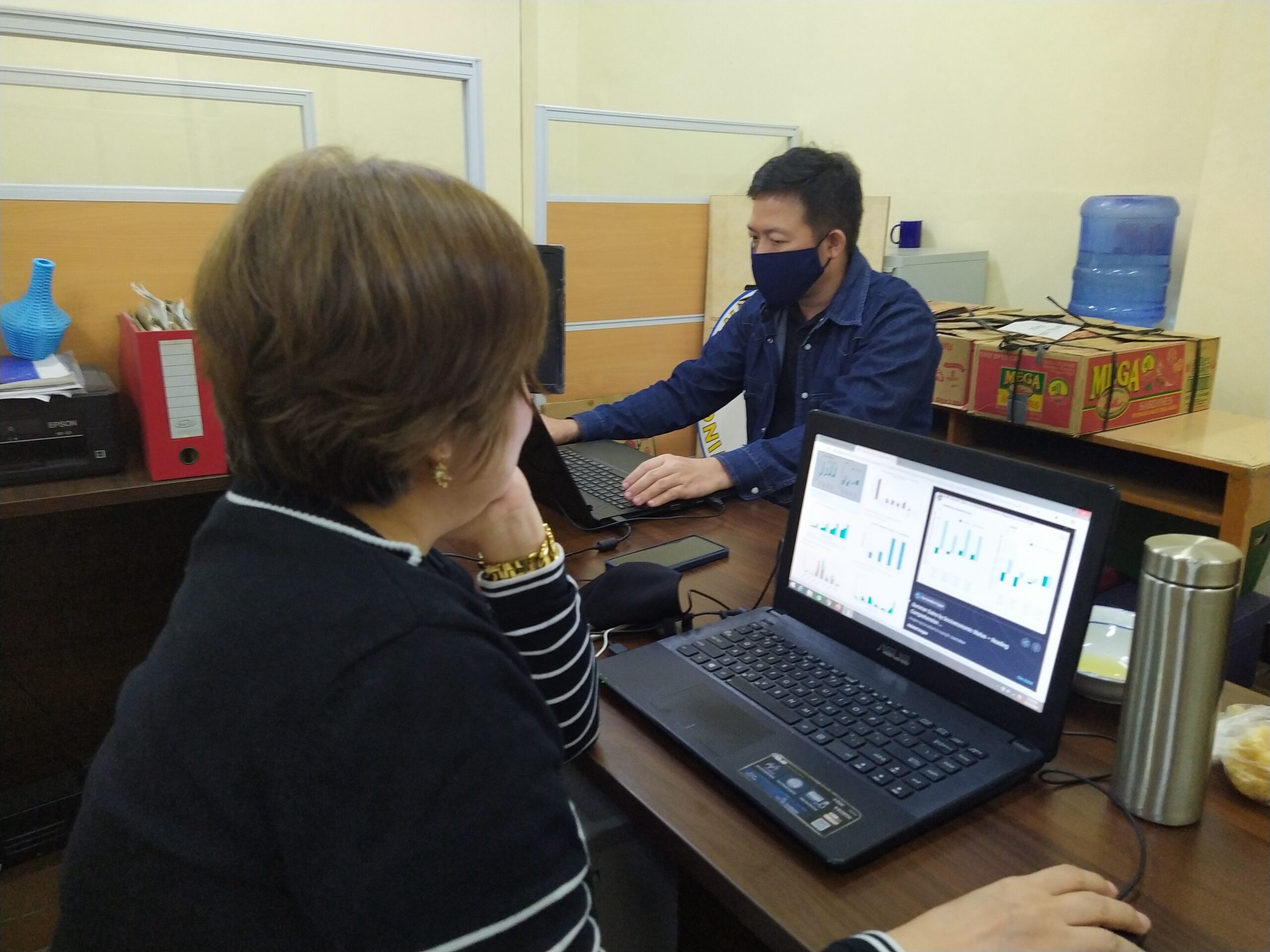
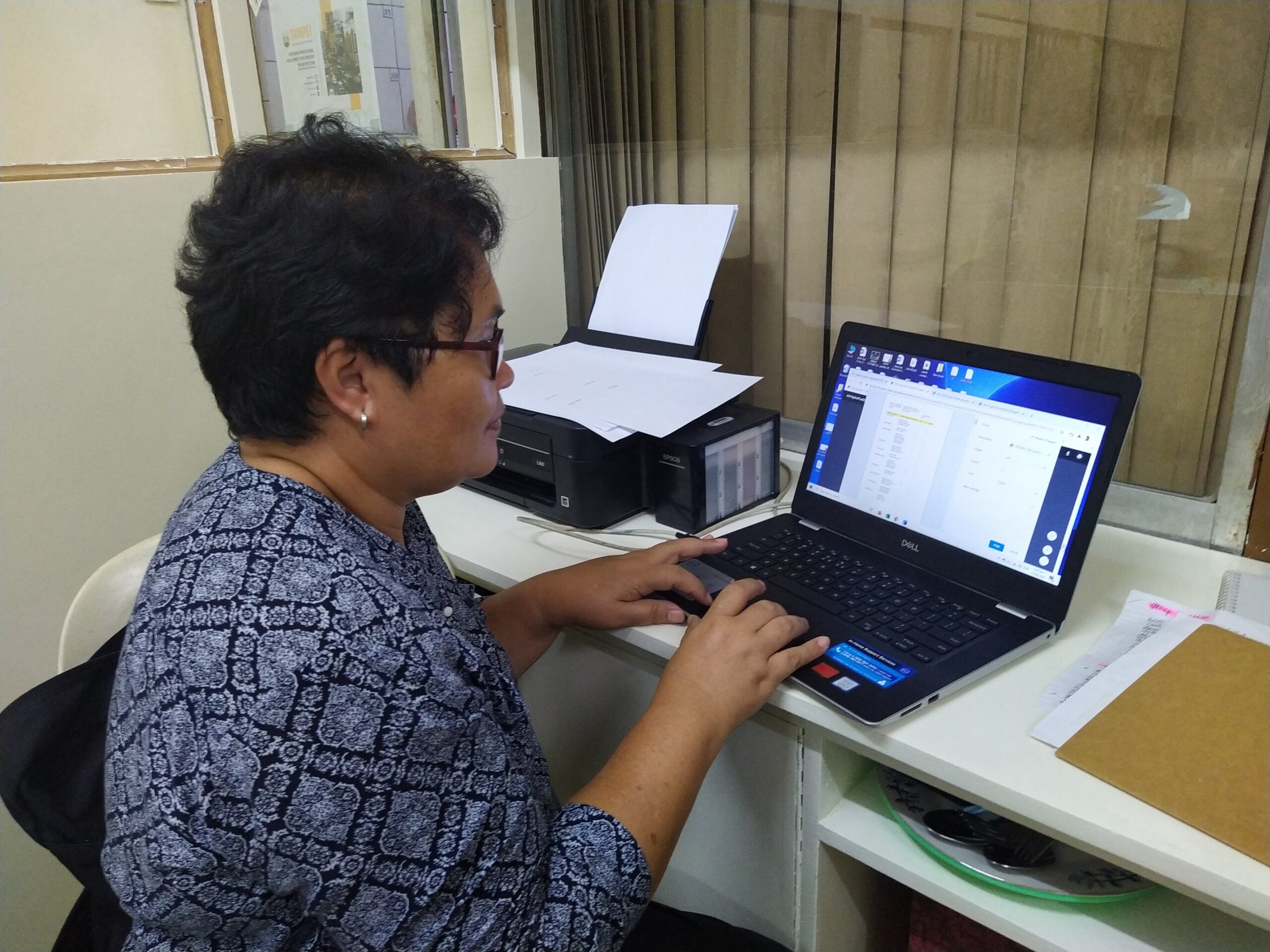
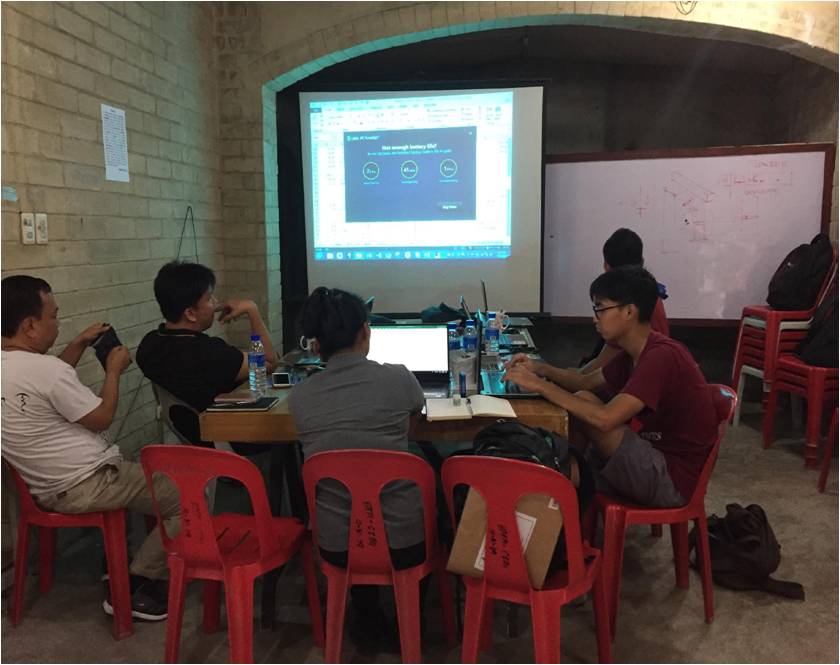
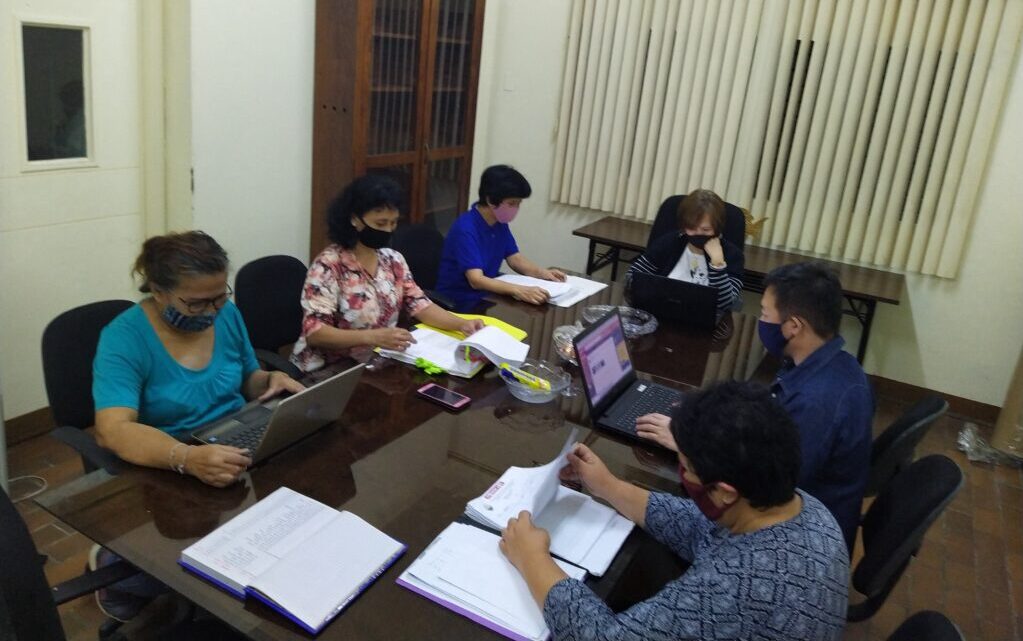
Research: The breadth and extent of the experiences of PACSII and of HPFPI enable them to become a watershed of profound reflections and learnings, not only for their own growth but also for the development of other similar organizations or movements. The homeless people have already had a lot of opportunities to share their stories and good practices to other communities in certain researches conducted by several universities. TAMPEI, for example, came up with the beautiful research project writing on a book the narratives of the homeless people in the different regions of the country.
Documentation: Is quite important for any organization to keep tract of its life, development and dynamism. It is important to capture, through texts, recorded materials and documentary films, important decisions, exchanges, reflections, learnings, commitments and images that form part of the whole process of planning, implementation, monitoring and evaluation of the projects or programs. PACSII and HPFPI have had extensive documentation done either through written reports or through film documentation experiences that they had. Such efforts would be important to trace back to the past the history of the organizations.
Advocacy: The founding of any organization, especially of the HPFPI and of PACSII was inspired to pursue a particular vision-mission as defined by the original and succeeding members of such organizations. Such noble dreams normally are born out of particular realities that need to be addressed or resolved. In the case of our organizations, homelessness and the corollary problems that normally come along with it, were the concerns that need to be confronted. Such realities are shared by many of those that are marginalized and whose voices have been muted in society. Advocacy, therefore, is an important component of social change and transformation. It is meant to understand social issues in terms of their root causes and also in terms of their systemic relations with many other aspects of the reality in any given social condition.
Project-Proposal Writing: Another area where PACSII provides assistance to the homeless people in the effort of empowering them is to make them source out their funds and support for their particular projects that may be beyond their capacity to immediately finance through their own savings. It is important that the communities are able to identify where such funds are available and are equally empowered to have access to them. This is facilitated when the communities are taught how to write their project or program proposals. In the course of the history of PACSII and HPFPI, there have been a lot of project proposal that the communities were able to draft, finalize, and submit to particular funding institutions, government or non-government, local and global.
NETWORK AND PARTNERSHIP BUILDING
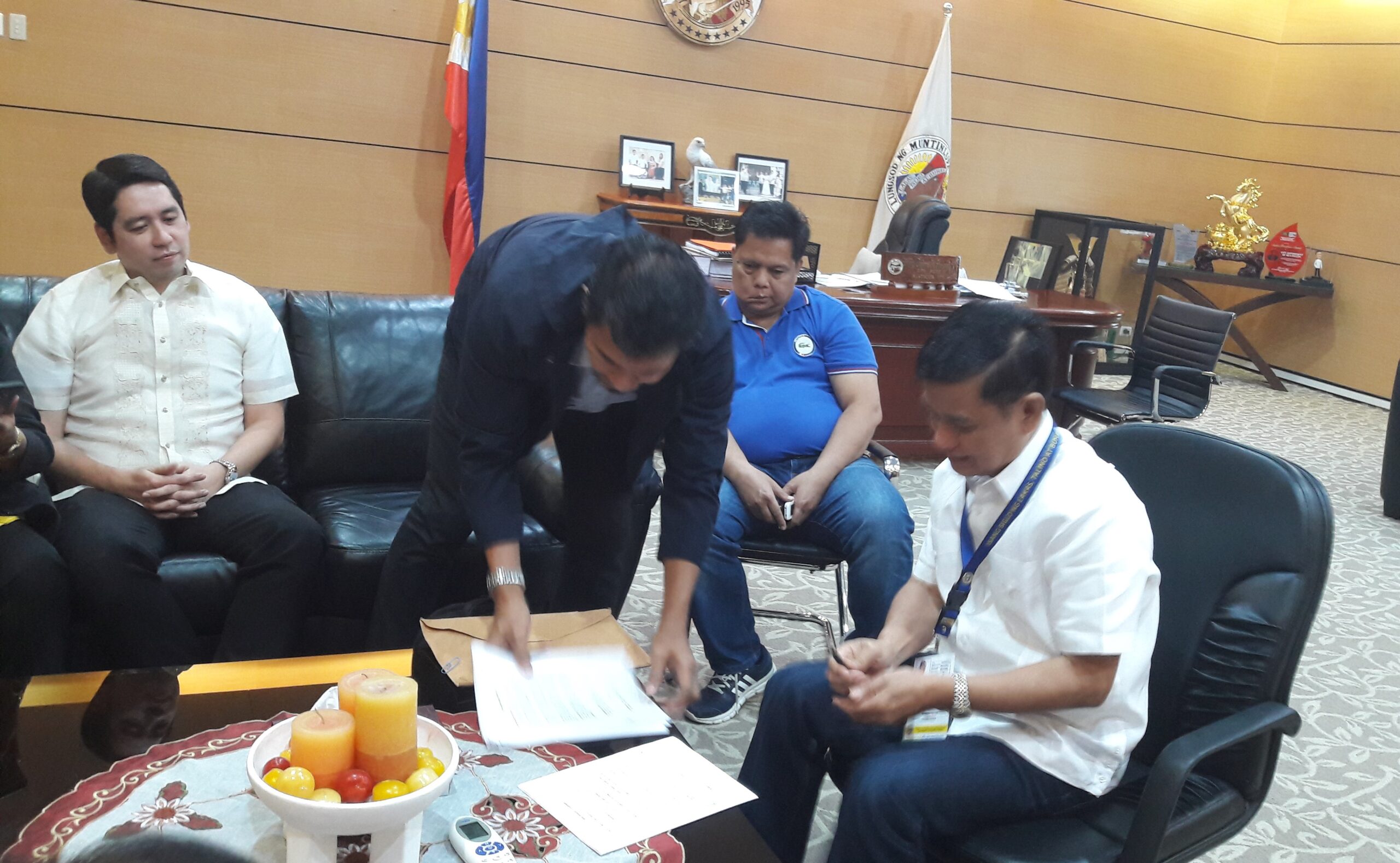



We understand that many social issues and concerns are systemic in nature. They constitute a network of connections within the different dimensions of life and/or aspects of the reality. To address such concerns has to be also done in a systemic way. PACSII enables the HPFPI to appreciate this and address such concerns through a wide network and partnership with Government, non-government, public, private institutions with whom they could collaborate and forge efforts in pursuit of a commonly shared vision.
With Government Agencies: Partnership with the government, especially through its agencies, related to housing, settlement development and other areas, is indeed crucial in the success of the initiatives taken by the HPFPI and PACSII. Any project takes off from the ground with some kind of collaboration with the Barangay and with the Local Government Units. Our organizations have also been dealing with national government agencies like the Social Housing Finance Corporation (SHFC); Urban Poor Affairs Office (UPAO); Department of Housing and Urban Development (DHUD) (The new DHUD is a combination of the Housing and Urban Development Coordinating Council (HUDCC) and the Housing and Land Use Regulatory Board (HLURB); Presidential Commission on Urban Poor (PCUP). Our consultant, who used to be the President of the PACSII Board until the first quarter of the 2020, used to be the Presidential Commissioner of PCUP.
With Non-Government Organization: HPFPI and PACSII are affiliates of the following: Homeless International (HI) in the United Kingdom (now called REALL); The Servicio Latino-Americano, Africano, y Asiatico de Vivienda Popular (SELAVIP) based in Santiago, Chile; International Institute for Environment and Development (IIED) in London; Slum-Dwellers International (SDI) in South Africa; Asian Coalition for Housing Rights (ACHR) in Bangkok; MISERIOR in Germany; and the Institute of Environmental Science (ESS), and Environmental Science for Social Change (ESSC) in the Philippines, among others. Our HPFPI communities have succeeded in tying up with universities and colleges for mutual benefits. UN Habitat; INAM; ILO; and WPHF.
Academe: In the effort to adopt scientific approaches and processes in the organization of the communities, in doing social investigation, data gathering, historical narrative account of the communities in the different levels of social organization, PACSII and the HPFPI have engaged colleges and universities. In the past, the University of the Philippines, Diliman, Manila, and Iloilo have been open to partnering with us in attending to particular concerns along their expertise. Greater efforts will be done in order to engage Adamson University, which is also a Vincentian-managed academic institution.
With Church Groups and Associations: We have also especially affiliations with religious organizations and associations: (1) The Philippine Province of the Congregation of the Mission and the different Vincentian Parishes (in Payatas, Tandang Sora, Muntinlupa, Iloilo, and Cebu). We have experienced support from the Vincentians since the inceptions of our organizations (HPFPI and PACSII). The late Fr. Norberto Carcellar, the founder of the said organizations (PO and NGO) was a Vincentian priest, there were several other Vincentians (Fr. Joel Bernardo, Vinancio Lacorte, Aldrin Suan, Joselito Serabia, Gerald Borja, Atilano Fajardo, etc.) who became part of the history of the organizations, especially when it was the Vincentian Missionary Social Development Foundation Inc. (VMSDFI) was the principal Foundation that created the two organizations, and its present Executive Director, Fr. Rolando Tuazon is also a Vincentian priest. (2) MISEREOR, a Catholic Funding Agency, has been our long-standing partner since 2003; (3) Caritas Manila has signified its intention and interest to collaborate with us, especially in the area of Social Enterprise; (4) Ladies of Charity-AIC Philippines has also expressed interest in establishing ties with us as it is a Catholic Organization founded by St. Vincent de Paul who is committed to the service of the poor.
PROJECT SUPERVISION AND MENTORING
PROJECT SUPERVISION AND MENTORING
As noted above, it is the HPFPI who assumes direct responsibility for the projects they decide to embark upon on the basis of needs and available resources. Yet, PACSII’s supervisory and monitoring role happens in the different phases and areas of project development: from initial project conceptualization and community organizing to financial management, construction oversight, and post-project sustainability planning. This mentoring relationship is not about directing—it is about walking alongside community leaders, offering guidance when needed, and helping them navigate complex challenges while ensuring that the community remains in control.
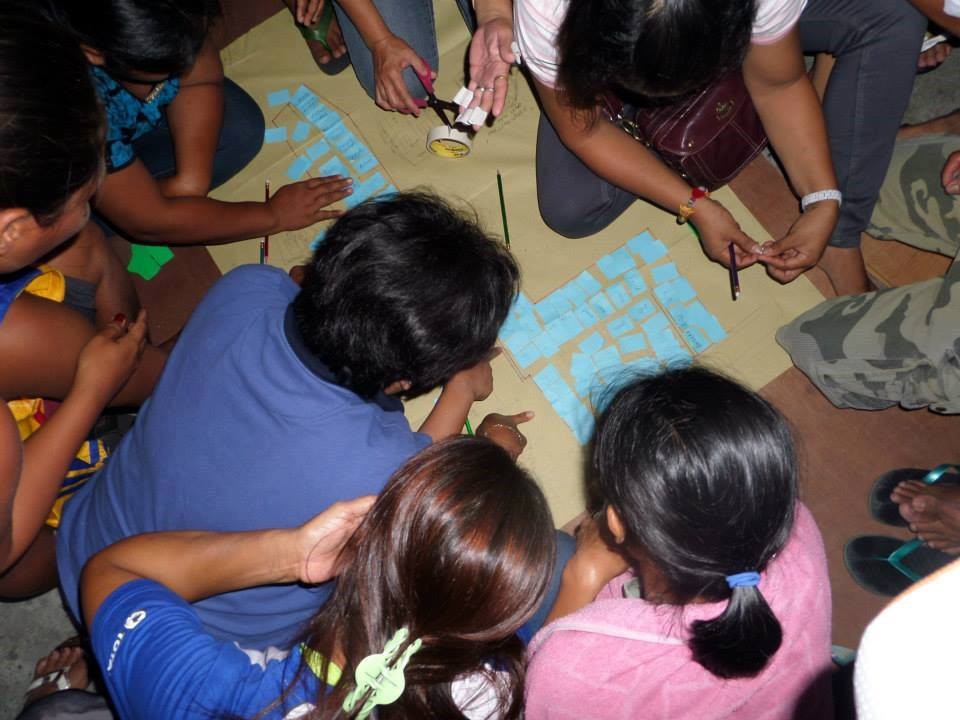
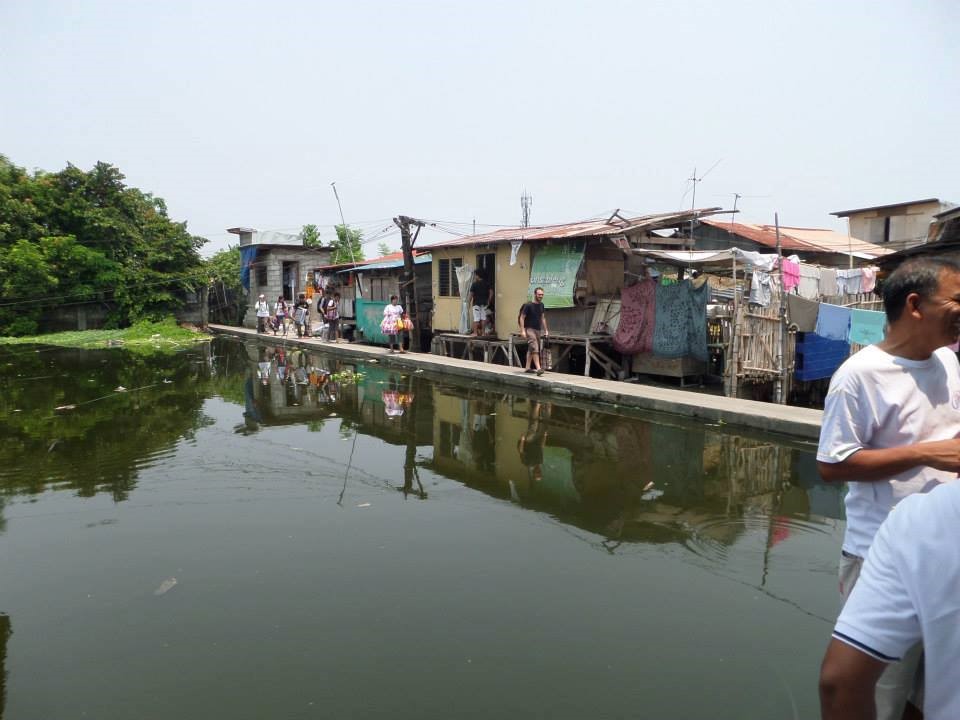
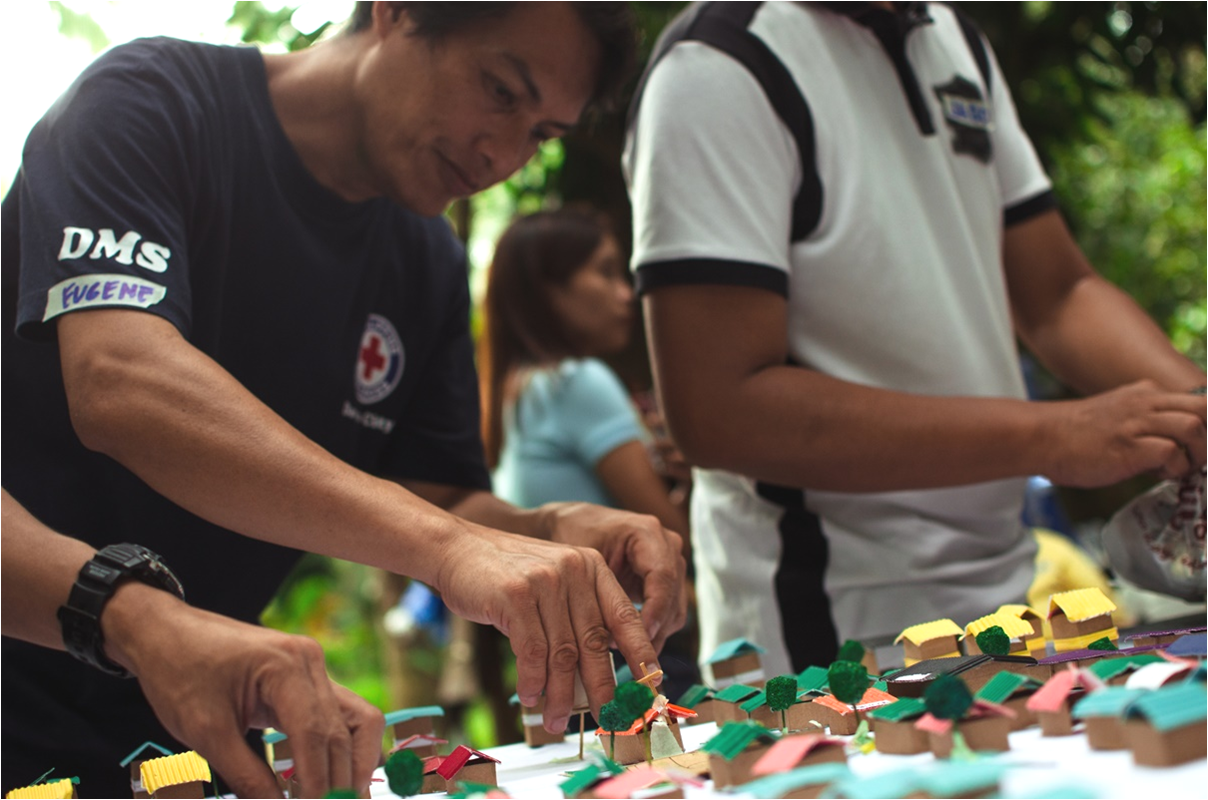
Identification of the Problem to be Addressed: The HOAs or the Community Associations are the ones who initiate their own projects in response to the needs or problems they identify in their communities. Considering that there are normally several or a lot of issues or problems that need to be addressed, a certain process of prioritization has to happen. If the projects would require some financial support from outside of their communities, they could present and submit a project proposal to government or to a funding institution.
Project Conceptualization and Proposal: PACSII normally mentors the HPFPI in the writing of their project proposals defining the background, the objectives, the mechanics, and logistics involved. In normal circumstances, the funding institutions would require PACSII to support such initiatives by way of serving as the fund-holder. When the project proposal gets approval, PACSII along the HPFPI would sign a Memorandum of Agreement.
Project Planning, Execution, Implementation, Monitoring and Evaluation: When a particular project gets approved with the guaranteed financial support, PACSII, along with the other NGOs belonging to the Philippine Alliance, supervises the whole process from planning, implementation, monitoring and evaluation of the project. Being community-led initiatives, the ones who are the key players are the members of the communities. TAMPEI conducts series of meetings with the homeless for the detailed designs based on the general concept that was approved. LINKBUILD sees the need to examine the actual aspects of the construction. If there is a need for some more funds needed for the project, CORE-ACTS may come to the picture to make the necessary arrangements. PACSII puts the different aspects together based on proper reporting and monitoring, especially on the area of finance. Considering that the release of funds comes in tranches according to the different phases of the project, PACSII ensures that proper reports are submitted according to what actually happens on the ground before PACSII releases the next of funds.
FUND AND RESOURCE MOBILIZATION
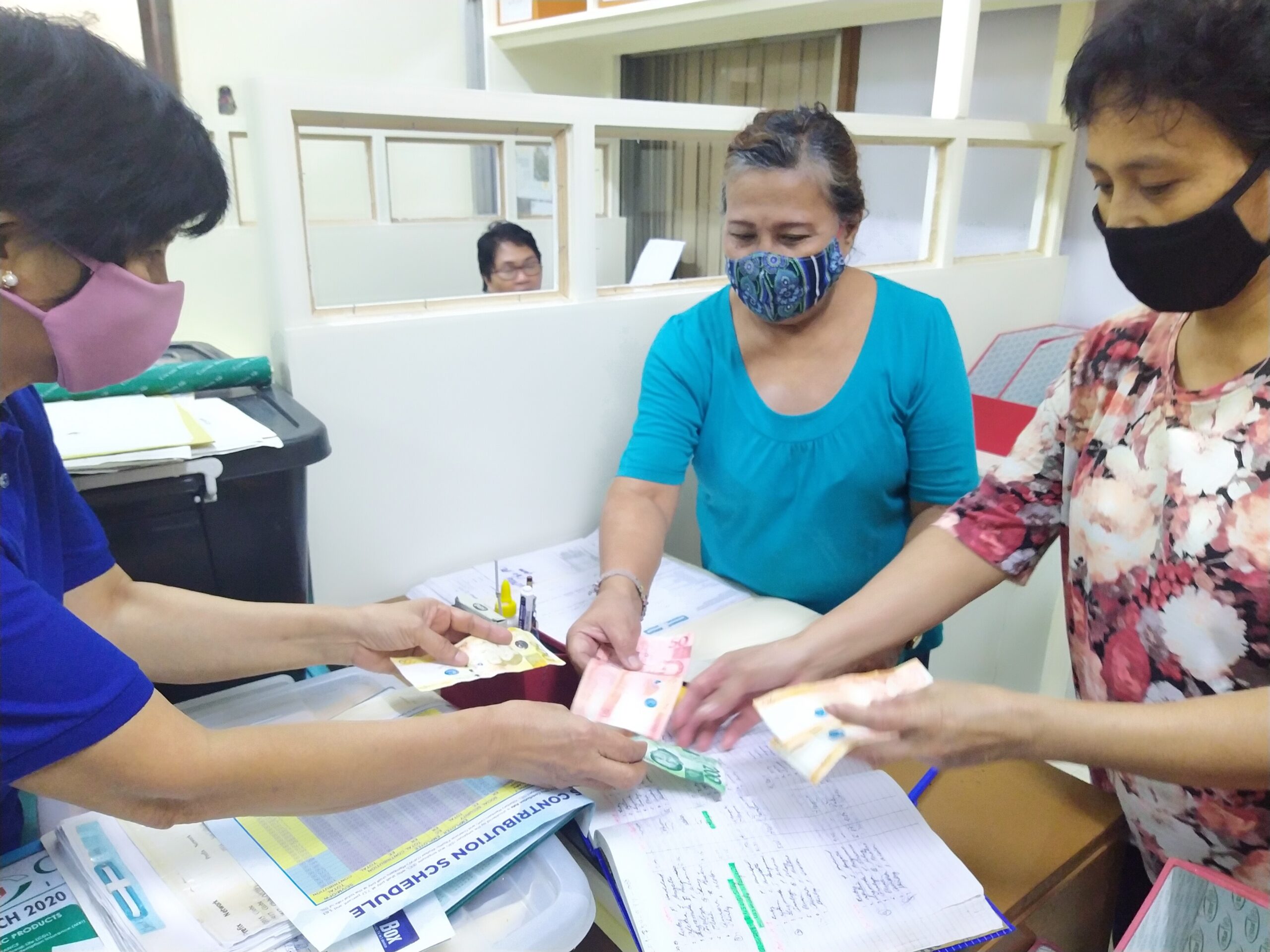
The organization follows a Finance Management System that is based on the principles of accountability, transparency, resourcefulness and sustainability. Any transactions are backed up by receipts, while reports, like liquidation reports, financial statements, etc. form part of the regular monthly routine. This disciplined approach ensures that every peso entrusted to PACSII—whether from international partners like MISEREOR and ACHR or from local supporters—is managed with the utmost integrity. Beyond simply securing funds, PACSII strategically mobilizes resources to match the specific needs of HPFPI communities, channeling support toward land acquisition, construction materials, technical expertise, and capacity-building programs that empower the urban poor to lead their own development.
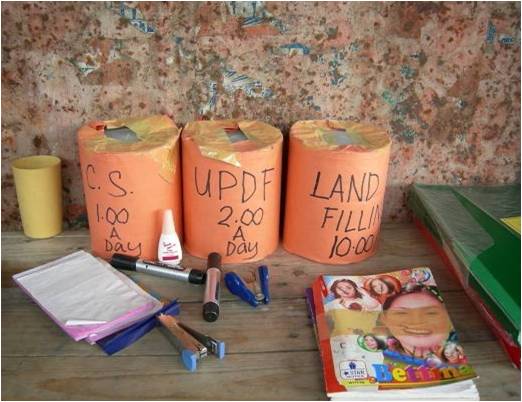
Savings Mobilization: The HPFPI normally holds and manages its own funds in the different levels of the organization. Since its beginnings, the communities of the federation are required to do their savings. The savings mobilization of each community has empowered the people to address a good number of their concerns.
Fund Sourcing and Management: But for some other needs and bigger projects, PACSII has also served the HPFPI, in the area of fund and resource mobilization. As mentioned above, PACSII facilitates in the writing of the project proposal of the HPFPI and assumes the responsibility of managing some of the funds of the federation, depending on the requirement of the funding institution.
Fund Raising Activities: During particular crisis, when critical intervention becomes necessary, PACSII has embarked upon fund-raising activities in order to address certain needs of the affected communities. This happens when there is fire in the neighborhoods, or when a particular region gets hit by a strong typhoon or storms surge, or earthquake. The COVID 19 crisis pandemic has hit all the communities and has forced PACSII to mobilize funds to provide financial and material resources to communities, whose savings could not sustain the needs of the community during the two months enhanced community quarantine or lockdown.